
If there is one place where toddlers know they can assert their independence fiercely, it is at the dining table. One day they love dal and rice; the next day they have the most dramatic refusal to be fed. One moment they demand to feed themselves, and the next moment the spoon is thrown on the floor. For parents, toddler eating habits can feel confusing, frustrating, and exhausting. But beneath the mess and unpredictability lies something far more important than food: a growing need for control. Toddlers are at a stage where curiosity is independence. They are discovering that they can be separate individuals with preferences, opinions, and an inherent power to say “no.” Mealtime becomes one of the few spaces where they want to exercise that control. Unlike sleep schedules or outings, eating is immediate and personal. A toddler cannot be forced to enjoy food, and they know it really well.
From a developmental perspective, this behavior is completely normal. Toddlers are learning autonomy, and refusing food or insisting on feeding themselves is part of that journey. Appetite fluctuations are also common at this age. Growth slows down after infancy, so toddlers often need less food than parents expect. What looks like picky eating is often simply a child listening to their body.
Self-feeding plays a critical role here. When toddlers are allowed to hold the spoon, touch their food, and eat at their own pace, they gain a sense of ownership. Yes, agreed that this often comes with spills, stains, and a lot of cleaning. But it also builds fine motor skills, hand-eye coordination, and confidence. A child who feels trusted to try will eventually succeed.
Problems arise when control turns into conflict. Pressuring a toddler for that one more bite or using distractions, threats, or rewards can unintentionally turn meals into power struggles. When eating becomes stressful, toddlers may resist even more, not because they are not hungry, but because they are protecting their sense of independence.
The key is shifting focus from how much a toddler eats to how the experience feels. Creating a relaxed, predictable mealtime routine helps children feel safe. Offering balanced options and letting the child choose what and how much to eat within those options gives them a sense of control without chaos. Parents decide what is served; toddlers decide whether and how much they eat.
It also helps to remember that mess is part of learning. Spilling food is not the toddler deliberately trying to create extra work for their parents; it is a slow learning process. When parents stay calm and supportive, toddlers learn that mealtime is a safe space to explore, not an unreasonably difficult test to pass.
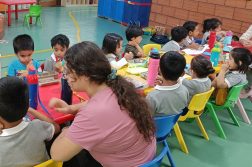
Preschools often understand this instinctively. Group meals encourage toddlers to observe peers, imitate positive eating behaviors, and gain independence naturally. Without constant adult pressure, children often eat better simply because they feel in control. Most importantly, early eating experiences shape a child’s long-term relationship with food. Toddlers who are allowed to listen to their hunger cues are more likely to develop healthy eating habits later in life. Those who grow up seeing mealtime put through negative aspects like pressure or control may grow up associating food with stress, guilt, or resistance. So when your toddler pushes the plate away, demands to hold the spoon, or insists on eating only two bites, take a breath. What you’re witnessing isn’t a tantrum; it’s development.
The table is a training ground, not a stage.