
From the second a child learns to perceive its surroundings, culture quietly begins to shape who they become. The language they hear, the food they eat, the folklore they grow up listening to, and even the way adults respond to their emotions, every aspect plays a powerful role in early childhood development.
Culture holds great control over how children learn to communicate, express feelings, and relate to others. In some cultures and practices, independence is encouraged early; in others, community and interdependence take center stage. Neither approach is right or wrong, but all play to the strengths of their backing, and that is a very important fact to remember. A child raised in a storytelling-rich environment may develop strong listening and a competent command over their language skills, while another growing up in a hands-on, activity-driven household may excel in problem-solving and creativity.
Family traditions, social norms, and daily routines also shape a child’s emotional world. How adults comfort a crying child, celebrate success, or handle mistakes teaches children what is acceptable, safe, and valued. These early experiences influence confidence, empathy, and resilience.
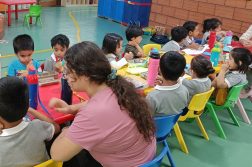
Preschools serve as a common ground to bring various kids with cultural experiences all in the same space. Inclusive classrooms that respect diverse backgrounds help children feel seen and valued while also exposing them to new perspectives. When culture is embraced rather than overlooked, children grow up with a stronger sense of identity and a deeper understanding of the world around them.