In today’s knowledge-driven world, education goes beyond strict subject boundaries. Blending different fields makes learning deeper and more practical, helping top institutions produce graduates ready for real jobs.
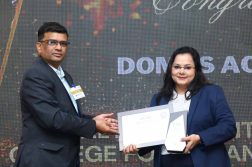
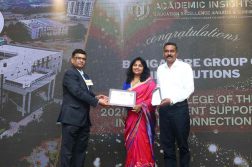
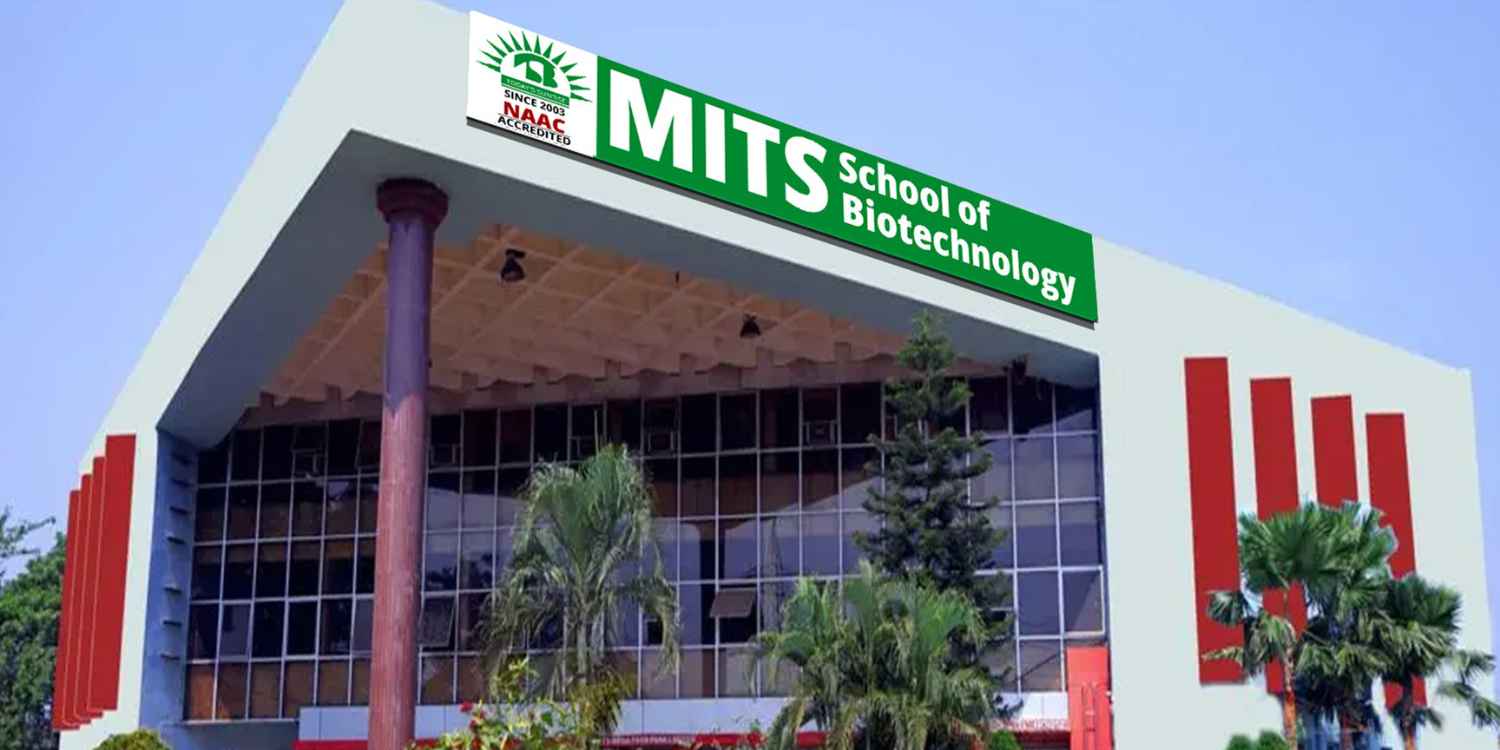
MITS School of Biotechnology excels at particularly this. Its integrated approach gives students skills beyond basic degrees, through stronger analysis, technology use, and research abilities. For this strong focus on well-rounded professional training, it earns Academic Insights’ “Best Professional Institute of the Year 2025” recognition at the Education Excellence Awards & Summit 2025.
MITS School of Biotechnology in a Nutshell
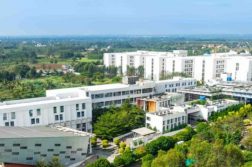
When MITS School of Biotechnology, Bhubaneswar laid its first steps, its academic design prioritized convergence rather than specialization in isolation. The institute introduced UG and PG programmes spanning Biotechnology, Applied Microbiology, IT Management, and Computer Applications. Operating under the National Education Policy framework approved by Utkal University, the curriculum was intentionally structured to promote interdisciplinary thinking through analytical rigor, computational exposure, and research-oriented learning components.
As the institution grew, its pedagogical strategy evolved into a blended learning model designed to strengthen cross-disciplinary collaboration. MSB adopted outcome-based education supported by experiential laboratory engagement and technology-enabled instruction. Beyond classroom structures, MSB institutionalized case-based learning, collaborative mini-projects, flipped classroom methodologies, research colloquia, joint seminars, and domain-integrated workshops, and structured research immersion modules where biotechnology, AI applications, microbiological research, and data analytics intersected.
Under the leadership of Sri Balakrishna Panda, the MITS Group of Institutions, including the MITS School of Biotechnology, has expanded its academic programmes, strengthened industry collaborations, and developed research and training infrastructure. His focus on linking education with employability and industry engagement has contributed to institutional growth, increased student intake, and broader recognition.
Industry-aligned Learning
A defining feature of MSB’s academic ecosystem is its deliberate alignment with evolving global workforce requirements. Institutional support mechanisms like The Training and Placement Cell play a strategic role by facilitating technical workshops, professional certifications, soft-skills development, and structured internship linkages.
MSB’s interdisciplinary model is reinforced by sustained collaborations with industry, research laboratories, and higher education institutions. Partnerships with biotechnology and pharmaceutical companies, along with IT organizations, specialized workshops and knowledge exchange initiatives provide students access to applied research opportunities, contemporary technological practices, and professional networks.
Faculty collaboration became a central mechanism for sustaining this interdisciplinary ecosystem. Teaching teams co-designed assignments anchored in real-world scientific and technological challenges.
Equally significant is the institute’s commitment to embedding ethical responsibility within technical education. Coursework addressing environmental science, biosafety, research ethics, data integrity, and responsible computing ensures that students develop an awareness of the societal implications of technological advancement.
Looking Ahead
The institute’s future priorities include expanding courses in emerging areas such as biotechnology and agriculture, strengthening industry–academia
collaborations, and improving research and training facilities. It also aims to continue supporting employability and entrepreneurship opportunities, particularly for students from underserved regions, while maintaining its emphasis on multidisciplinary education and practical skill development.