Fashion design has long stood as one of the most engaging career paths, a field where success solely depends on how creative you can be. For the aspiring designer, the journey is far more than glamour and runways; it is a daily ritual of sketch, stitch, and seam. It is a discipline where hard work meets raw passion, and where every silhouette is the result of hours spent refining a vision.
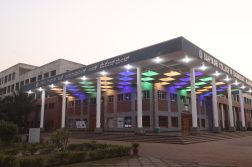
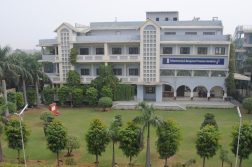
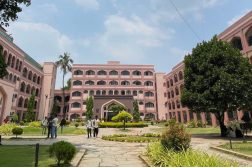
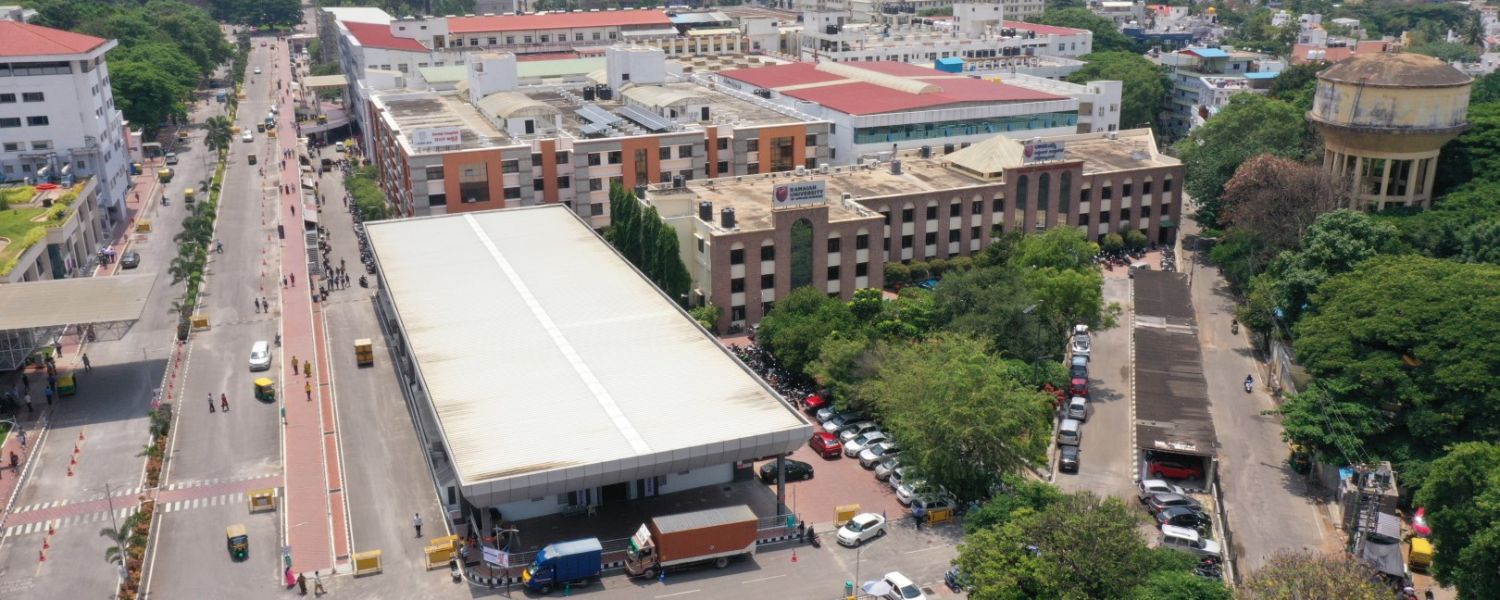
There is perhaps no better place to begin this journey than in Karnataka, and to be precise – Bengaluru. As a cosmopolitan hub known for welcoming dreamers with open arms, the city has evolved into a premier destination for extraordinary education. Here, large, tech-forward campuses and top-notch facilities provide the perfect backdrop for students seeking a global perspective. Within this vibrant urban setting, the Department of Fashion Design at the Faculty of Art and Design, M.S. Ramaiah University of Applied Sciences (MSRUAS), stands out for those ready to turn their creative spark into a career.
Through its commitment to outcome-based education, MSRUAS acts as a crucible for talent, taking the raw mine of a student’s potential and polishing it into a gem. Before they ever leave the campus, students are molded into Fashionpreneurs, equipped not just to join the industry, but to lead it.
Future-Proofing Fashion
As a vital constituent of MSRUAS, the Faculty of Art and Design benefits from a legacy that brought together several well-established institutions of the Ramaiah Group. Over the years, the university has built a stellar reputation centered around academia, industry, and society, working tirelessly to shape tomorrow’s thinkers across 133 programs under 13 distinct faculties.
Recognizing the immense potential of the apparel sector and the growing demand for highly skilled professionals, the Faculty of Art and Design developed its Bachelor of Fashion Design (B.Des.) program to align perfectly with modern career objectives and societal needs.
Fully aligned with the NEP 2020, THIS NAAC A+ Accredited and NIRF Ranked program houses a curriculum that integrates digital expertise and AI-driven trends from the very first semester. Students achieve comprehensive tech-literacy through courses like Basics of Computer Applications in the initial semester, followed by AI for Fashion in the second. As they progress, they master 3D garment simulation, forecasting, and vector graphics in modules such as Vectors and Rasters in Fashion Design during the third semester, alongside 3D in Fashion Design and Advanced Apparel Manufacturing Technology, utilizing specialized Tailor Trix software in the fourth sem.
Known for its Sustainability, which is embedded at every stage, be it raw material sourcing to final production, at the department of fashion design – an environmentally conscious approach to fashion is adapted in every step.
Beyond core technical training, the B.Des. program emphasizes the creation of intuition-based inspiration, mood, research, and conceptual storyboards using cutting-edge AI tools. These skills are seamlessly woven into advanced courses like Fashion Styling and Choreography, Portfolio and Design Development, and Haute Couture and Costume Design across the later semesters. This curated academic structure ensures that student assignments, group projects, and final product demonstrations remain heavily rooted in digital tool proficiency.
The Practical Edge
The department’s academic framework is anchored by a distinguished faculty of PhD holders and global visiting experts. This intellectual leadership is supported by high-end infrastructure, featuring specialized hubs such as the Concept Studio, Textile Testing Lab, and PACE Lab. These facilities provide a sophisticated environment where students prepare for diverse careers as Textile Designers, Fashion Stylists, Costume Designers, and Fashion Merchandisers.
Education at MSRUAS is a calculated mix of dedicated classroom learning, industrial visits, garment expos, and textile trade fairs. Here, students witness the intricate complexities of apparel manufacturing and large-scale testing firsthand, experience that is further solidified by a mandatory, recurring internship cycle.
Driven by the university’s vibrant creative ecosystem, students are afforded vital platforms to showcase their talent at high-profile fashion shows and prestigious branding events. By prioritizing strategic partnerships with leading apparel manufacturers, the department keeps both its students and faculty at the cutting edge of global trends. This collaborative philosophy allows the next generation of designers to debut their work at major conferences while cultivating the professional networks essential for a thriving career in the international fashion landscape.
Mastering the Craft
When asked about the future trajectory of the Department of Fashion Design, Faculty of Art and Design at MSRUAS, Dr. Mamatha G. Hegde, the Head, envisions a path that bridges industrial agility with global responsibility. In the immediate term, Dr. Hegde emphasizes a commitment to Circular Fashion. The department is aggressively integrating sustainability into the academic fabric through the development of artifacts and crafts created from textile waste. “Our goal is to ensure that student projects, case studies, and dissertations aren’t just academic exercises, but solutions for waste management and recycling,” she explains.
Looking toward long-term growth, the department is set to undergo a significant infrastructure evolution. This includes the procurement of next-generation laboratory equipment and software to facilitate high-level interdisciplinary research. Dr. Hegde is equally focused on the human element of the department, noting that – “We are deeply committed to strengthening our global ecosystem through expansive partnerships with research centers and industry leaders. By fostering these associations, we provide our students with a robust platform for hackathons, symposia, and high-impact placements.”
Ultimately, Dr. Hegde’s vision ensures that the department remains a hotspot of fashion education, where student mentoring and portfolio development are directly linked to solving the social and environmental challenges of tomorrow.